ADDICTION RECOVERY CENTER LICENSING
Whole-family healing
licensed for your center.
Healing Home Method™ gives your program a proven somatic resource to extend nervous system support to the individuals and families walking the recovery road — without adding to your staff’s workload.
LICENSING INVESTMENT
Built for your program,
sized to your organization
Recovery doesn’t happen in isolation — and neither should healing. Whether you run an independent center or a multi-location organization, Healing Home Method™ offers flat annual licensing that fits your structure. Grant-funded and nonprofit centers are welcome — we’ll work with your funding structure.
Flat annual licensing for independent centers and multi-location organizations. No per-client fees, no per-seat surprises — one license covers everyone you serve.
READY TO BRING HEALING HOME METHOD™ TO YOUR PROGRAM?
Healing Home Method™
to Your Program?
Tell us about your center and how you serve families. A 20-minute call is the best first step toward getting your community access to Healing Home Method™.
THE SCIENCE
Addiction recovery
is not only about changing behaviors.
For many individuals, addiction develops as a way to cope with overwhelming internal states within the nervous system — stress, emotional pain, trauma, and chronic dysregulation.
Substances often become a way to temporarily calm the body when the nervous system has not yet learned how to regulate itself safely.
Sustainable recovery requires individuals to develop new ways of regulating those internal states.
The Healing Home Method™ provides guided somatic meditation practices that help individuals reconnect with their breath and body awareness — supporting nervous system stabilization throughout the recovery process.
Recovery programs license the Healing Home Method™ to give clients accessible regulation tools they can use during treatment and beyond.

WHAT SUBSTANCES WERE ALWAYS REACHING FOR
For many individuals,
the substance was never really the destination.
It was a pathway — imperfect, damaging, but real — toward a felt sense of relief, expansion, or peace that the nervous system didn’t yet know how to find on its own.
The work your program does addresses the behavior, the patterns, the roots. What somatic regulation adds is the body-level practice of arriving at those internal states — steadiness, safety, ease — through the nervous system itself, rather than through something external.
This is not a replacement for clinical work. It is what makes clinical work land more deeply — because the body finally has somewhere to go when the session ends.
RECOVERY REQUIRES NERVOUS SYSTEM REGULATION
When the nervous system moves into survival, substances fill the gap.

When individuals experience overwhelming stress or trauma, the nervous system often moves into survival states:
Fight
Flight
Freeze
Collapse
These states create powerful internal discomfort that individuals attempt to manage through substances or compulsive behaviors.
Even after entering recovery, many individuals still struggle with these internal states.
Without new ways of regulating the nervous system, relapse risk increases.
The Healing Home Method™ helps individuals practice calming the body through guided somatic meditation.
Over time, this builds greater capacity to:
Tolerate Emotional Discomfort
Regulate Internal Stress Responses
Reconnect with their Physical Body
Build Healthier Coping Pathways
HOW RECOVERY CENTERS USE THE HEALING HOME METHOD™
Flexible integration that fits
how your program already runs.
Recovery programs integrate Healing Home Method™ meditations across a range of touchpoints — no facilitation required, no scheduling overhead.
Morning Grounding Sessions
Begin the day with a regulation practice that sets a steadier tone for what lies ahead.
Emotional Regulation during Programs
On-demand support during group sessions or moments of acute stress within the program day.
Relapse Prevention Support
A tool to reach for when cravings or dysregulation arise — accessible at any hour.
Evening Reflection & Wind-down
Close the day with practices that support emotional processing and sleep preparation.
Post-treatment Support
Clients carry access beyond discharge — a continuing resource for independent regulation.
Staff Decompression
Counselors and support staff use the same library to recover between emotionally intense interactions.
A RESOURCE FOR BOTH CLIENTS AND STAFF
Recovery environments are demanding —
for everyone in them.
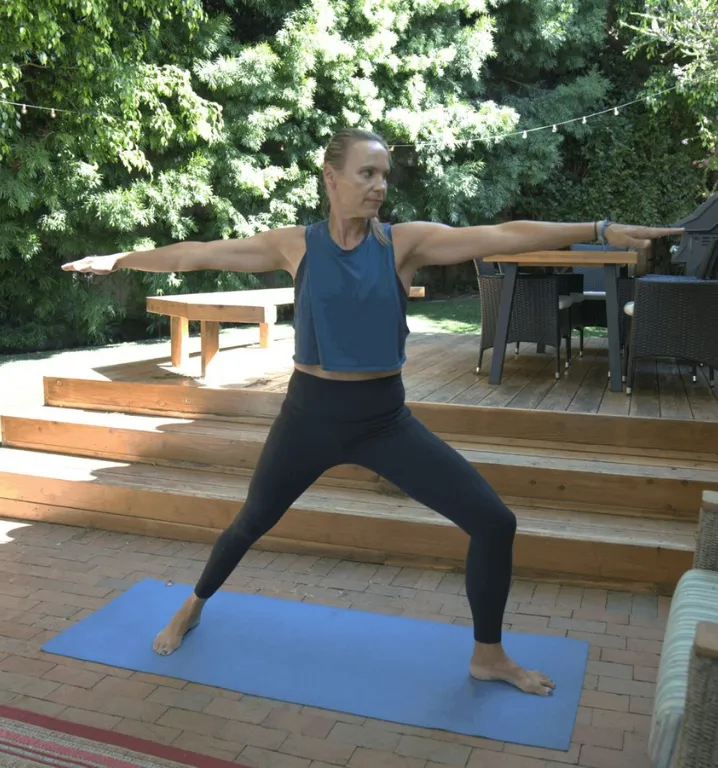
Counselors, case workers, and support professionals often carry the emotional weight of supporting individuals through difficult recovery journeys. The Healing Home Method™ supports staff members with the same practices available to clients:
Decompress after emotionally intense work
Regulate between client interactions
Maintain emotional presence and clarity
Begin and end each shift from a steadier place
FROM THOSE IN RECOVERY
What clients say about the practice.
"These meditations helped my body release tension I didn’t realize I was holding."
"For the first time in months I felt my nervous system settle enough to truly rest."
"These practices helped me calm down when everything inside felt overwhelming."
"I’ve been practicing CNS work for nearly five years. I have never worked with anybody whom is so clear, wise and beautifully read in the description of body wisdom."
WHAT LICENSED PROGRAMS RECEIVE
Everything your center needs to begin.
Licensing is designed to be simple, meaningful, and genuinely supportive — for the individuals in your program and the staff who serve them.
Private meditation library — the full Healing Home Method™
Shareable listening links for easy client and staff distribution
QR codes for program signage, intake materials, and printed resources
Two new meditation volumes released each year at no additional cost
Annual licensing access — simple, renewable, no facilitation required
Staff access included — for the wellbeing of your whole team
Bring
Somatic Nervous System Support
into your recovery program.
Recovery doesn’t end when the program does. Give your clients a resource that travels with them — and your staff the support to stay present through it all.
Still have questions?
Schedule a Free 30-Min Clarity Call
DISCLAIMER: These meditations are designed to support nervous system regulation and emotional wellbeing. They are not a substitute for medical or mental health treatment.
Copyright: © 2026 Healing Home - All Rights Reserved